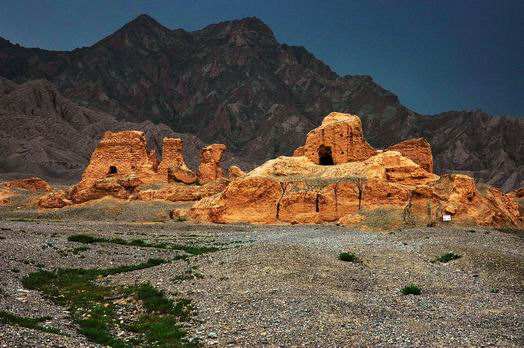
Once the prosperous royal capital of the ancient Qiuci Kingdom, one of the most powerful and culturally influential civilizations along the Northern Silk Road, Kuqa remains an irreplaceable treasure of ancient Buddhist art and red-rock desert canyon scenery.
Its most precious heritage lies in the Kizil Thousand Buddha Caves, a sprawling complex of rock-cut temple grottoes predating Dunhuang’s Mogao Caves by centuries.
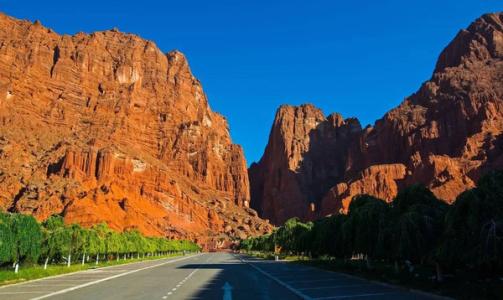
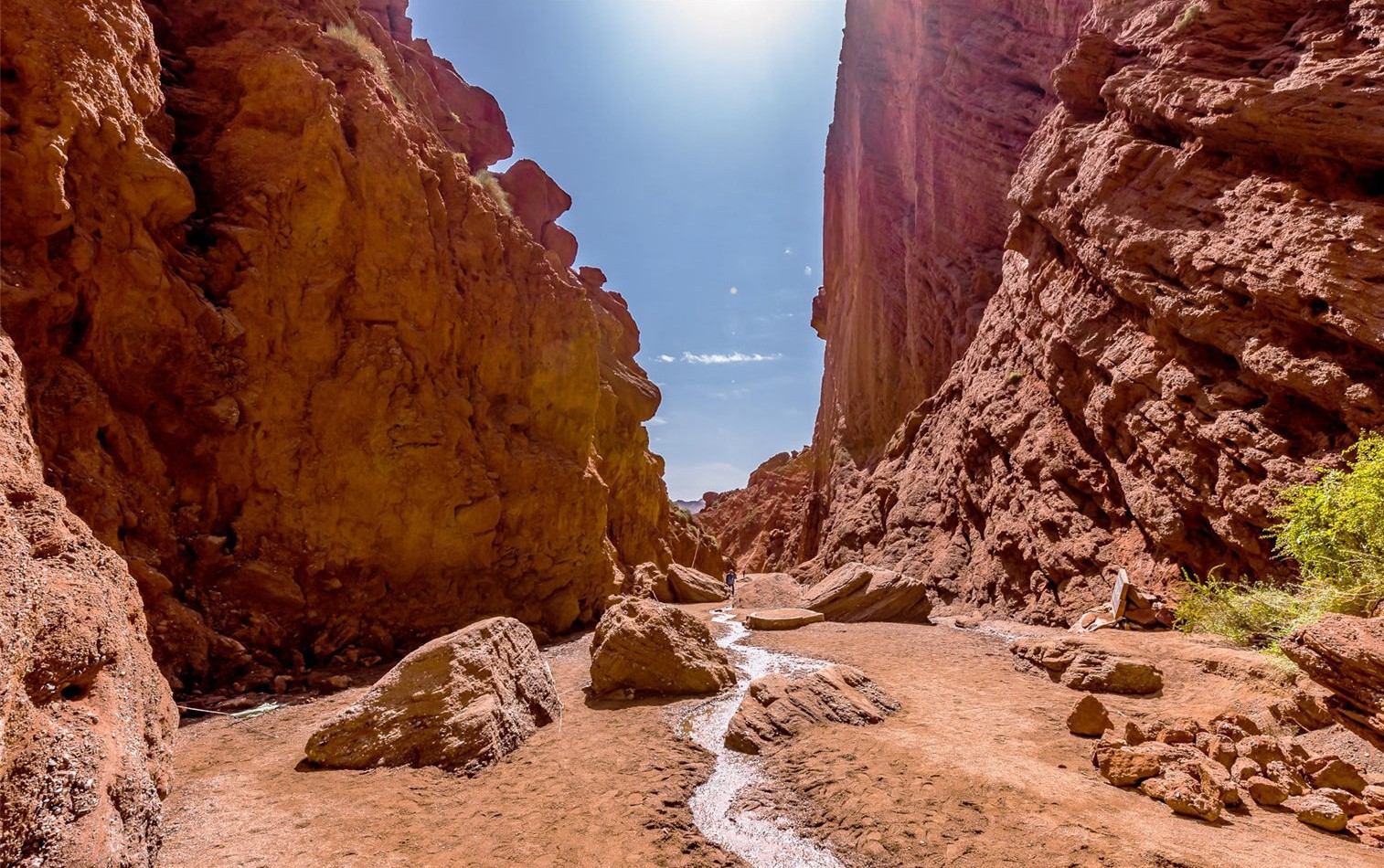
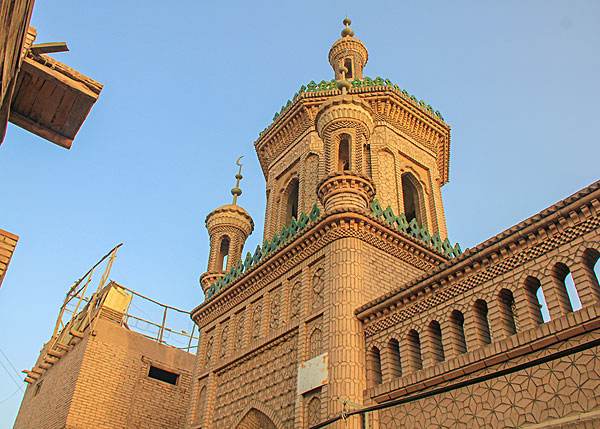
The cave interiors are covered in brilliantly preserved frescoes depicting Buddhist tales, royal court life, foreign merchants, musicians and celestial beings, painted with vivid mineral pigments that retain their rich color after over 1,700 years. Travelers can explore dozens of accessible caves with detailed guided explanations that unravel the lost religious and artistic history of Central Asia’s ancient kingdoms. A short drive from the caves leads to the Tianshan Mysterious Grand Canyon, a dramatic gorge carved from towering scarlet sandstone cliffs. Narrow winding passageways, towering jagged rock spires, hidden small caves and striking light-and-shadow effects at sunset create a surreal, otherworldly desert canyon landscape ideal for hiking and photography. Downtown Kuqa preserves a charming old town district with low-slung traditional Uyghur homes, handcraft workshops, local bakeries and quiet neighborhood mosques, alongside the restored Kuqa Royal Palace that recreates the grandeur of the ancient Qiuci royal court.
Local cuisine features distinctive spiced mutton, handmade noodles and sweet stone fruits grown in the surrounding oasis farmlands. Kuqa uniquely merges world-class ancient Buddhist cave art, monumental red desert canyon geography and well-preserved local Uyghur oasis culture, offering a deep dive into the artistic and religious exchange that defined the early Northern Silk Road, perfect for history, archaeology and landscape enthusiasts alike.